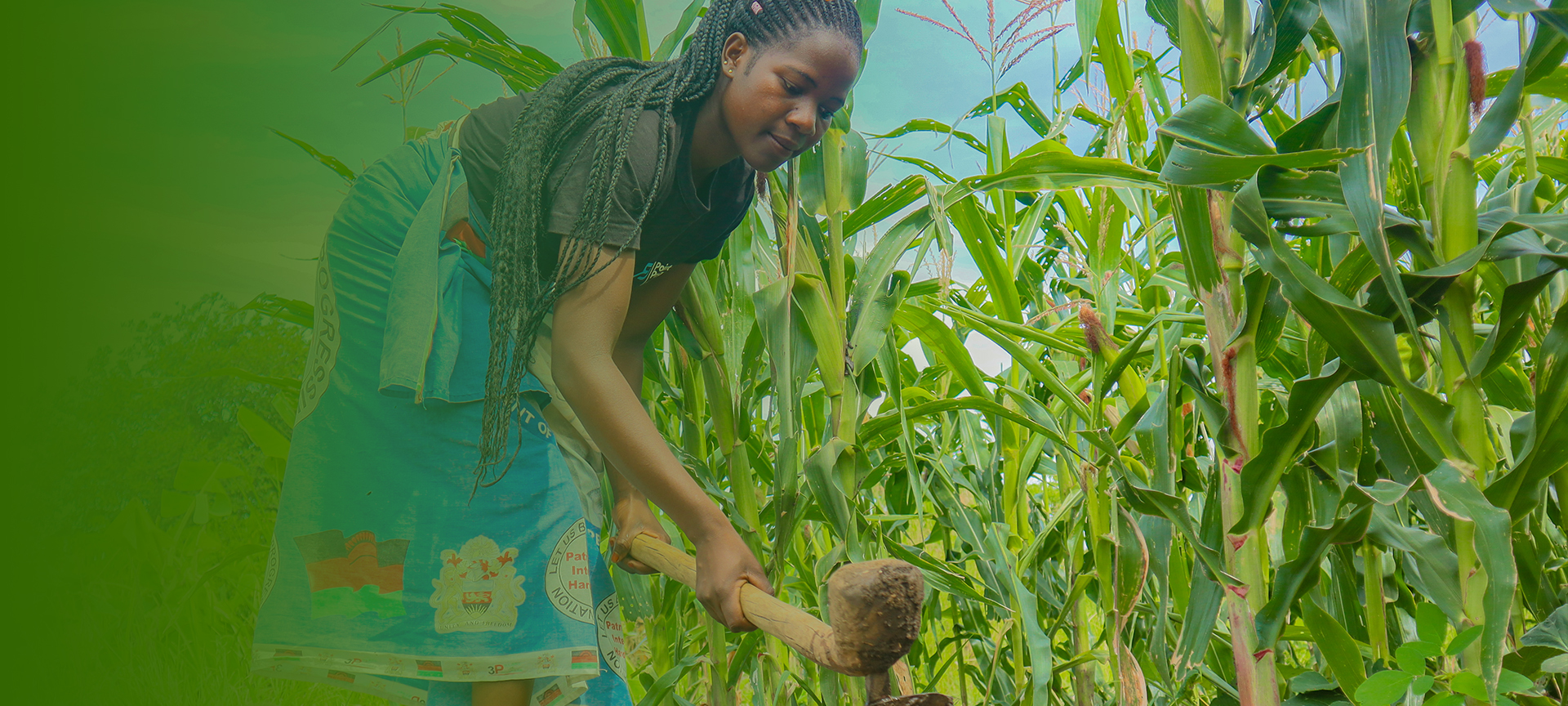
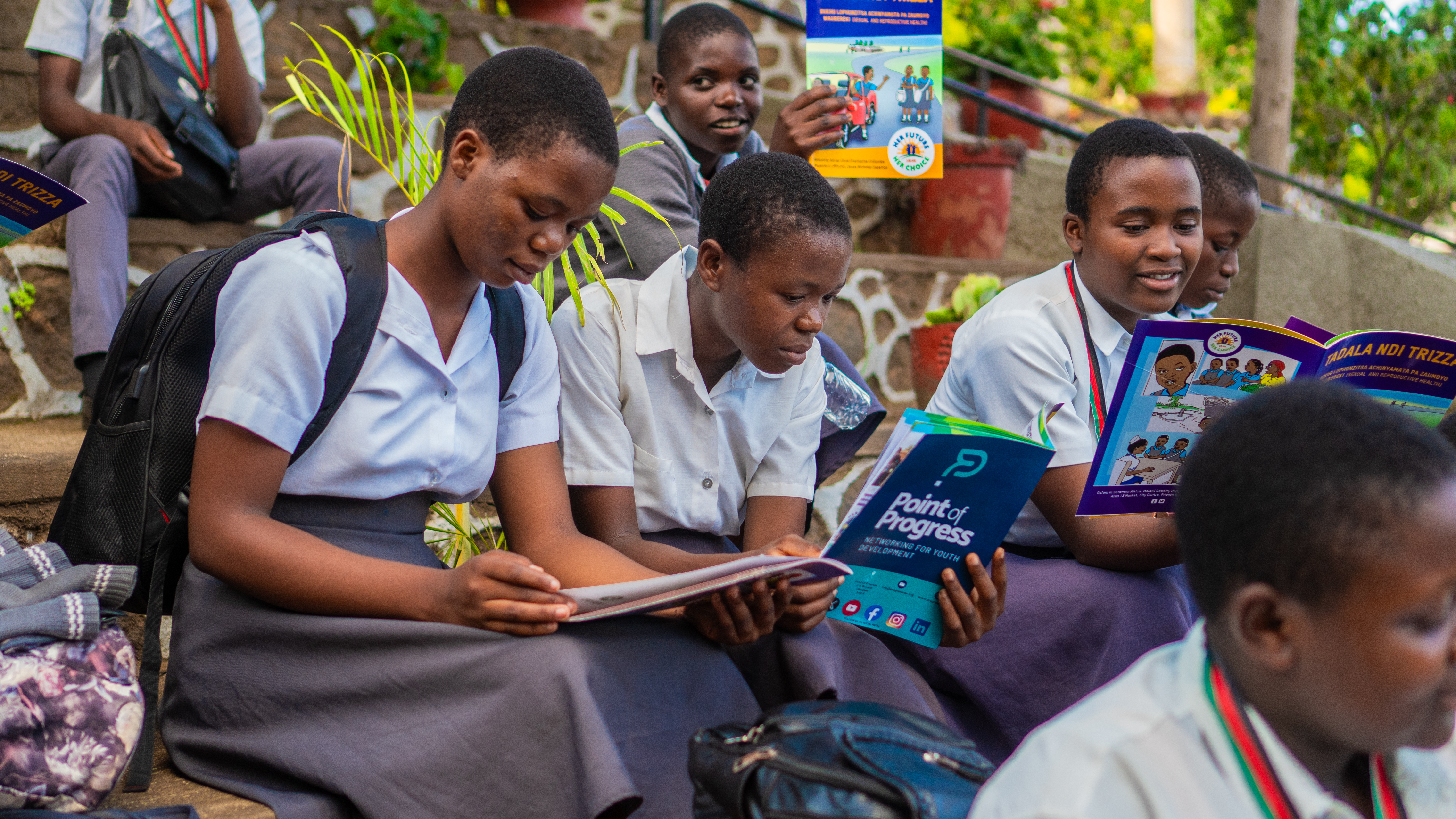
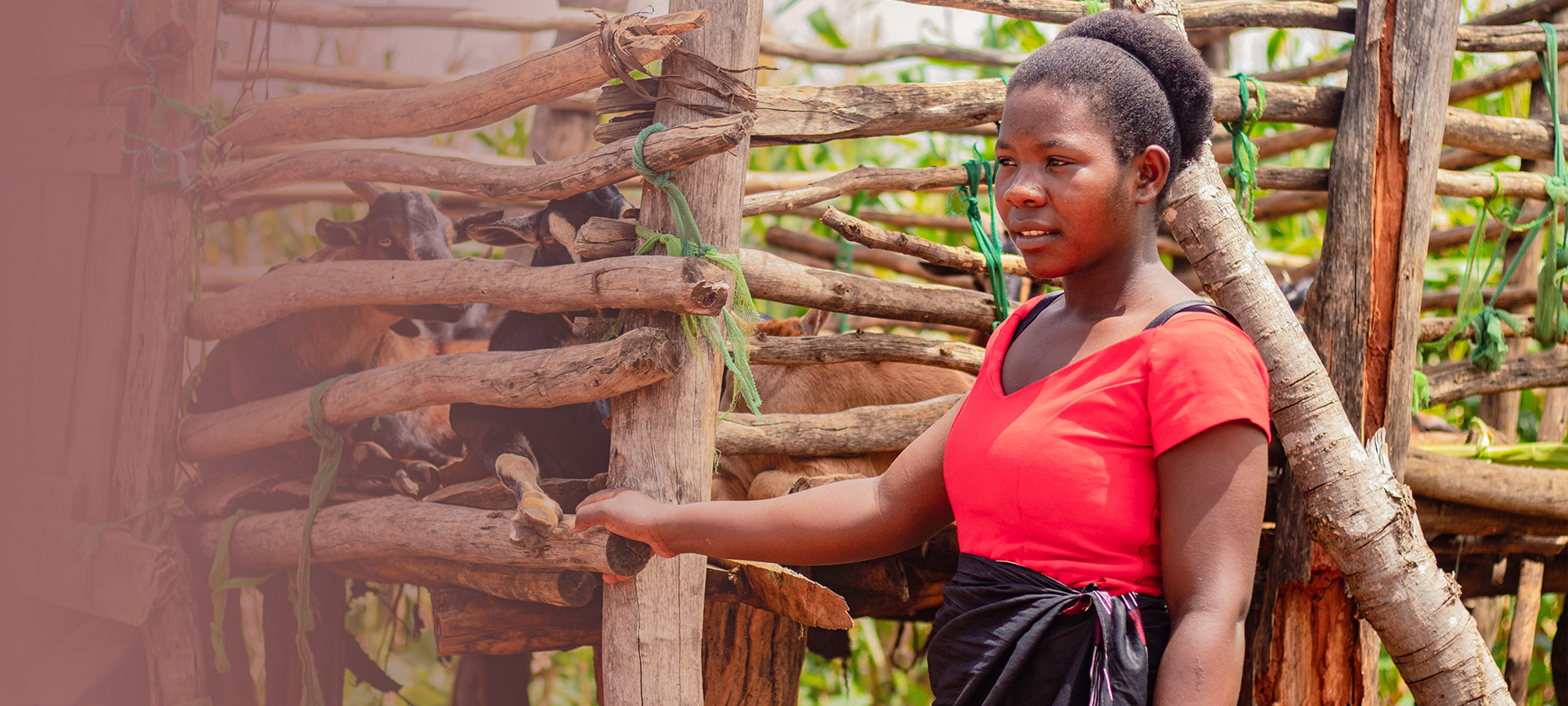
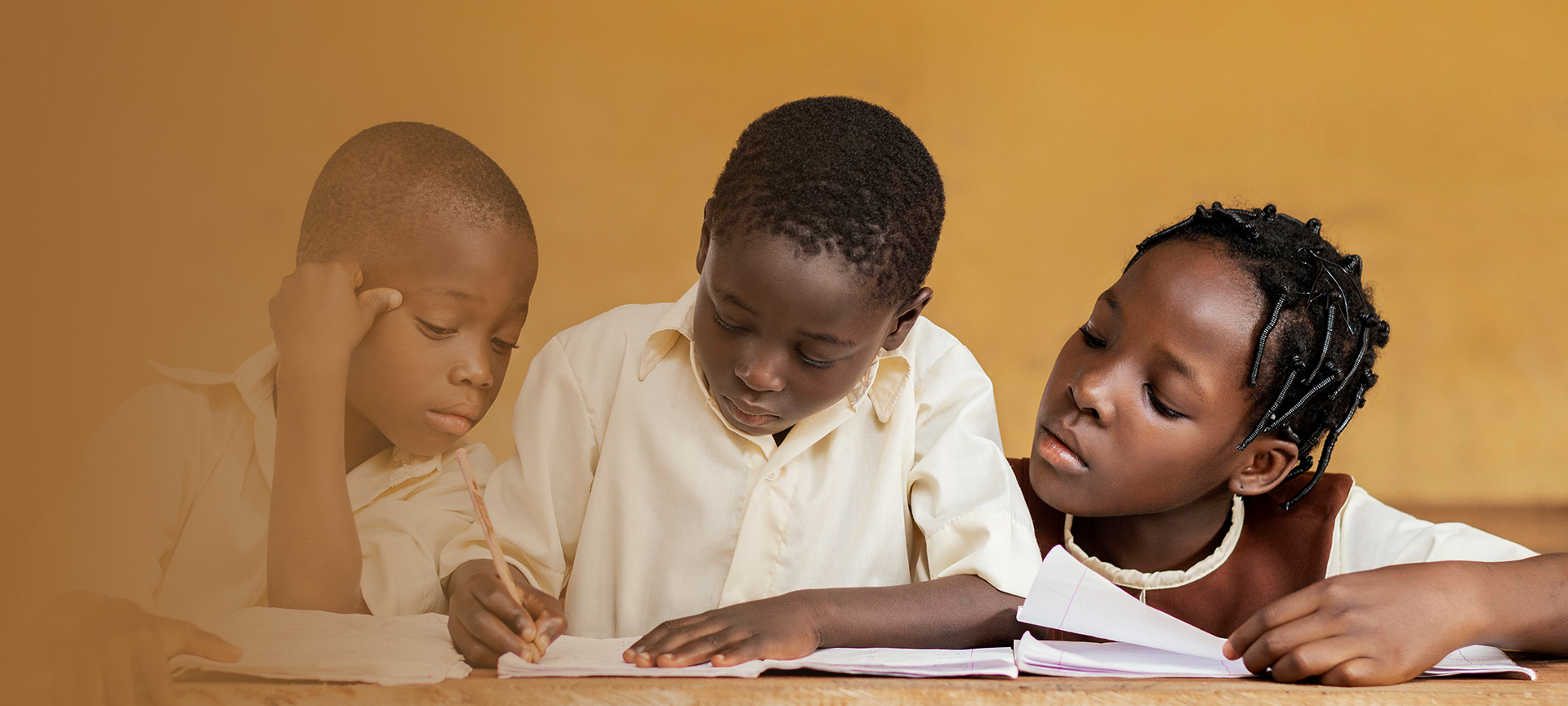
Malawi’s rural areas struggle with a variety of problems when it comes to the provision of quality education. The educational situation, where young learners’ potential is suppressed by the lack of resources, underdeveloped infrastructure and absence of properly trained educators. More specifically, the girl child has to deal with societal expectations that emphasize traditional roles instead of education and results in high dropout rates from school, early pregnancies and forced marriages. National policies promoting equal opportunities for all, regardless of gender show Malawi’s commitment to education and child protection. The reality though is that they are persistent and especially in distant areas. Globally, the Sustainable Development Goals and frameworks such as Convention on the Rights of the Child act as a blueprint for equitable quality education and skills development.
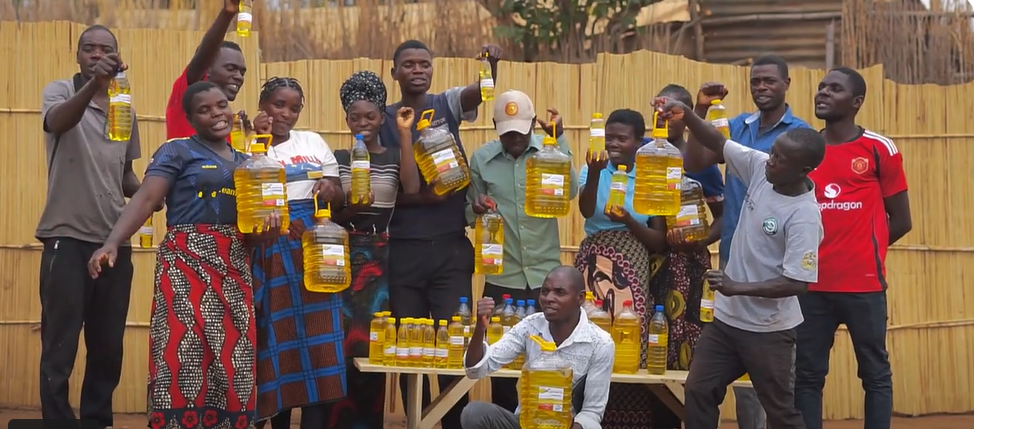
Additionally, in today's dynamic workforce landscape, skills development and progressive policies are instrumental in nurturing talent, fostering growth, and driving socio-economic advancement. By prioritizing continuous learning, upskilling, and reskilling initiatives, individuals can adapt to changing demands, enhance their employability, and unlock new opportunities for personal and professional development. Moreover, advocating for inclusive policies that promote diversity, equity, and accessibility in education and employment spheres enables communities to thrive and innovate collectively.